
As brands endeavor for greater visibility, LED display solutions emerge as a cornerstone of effective marketing strategies. These displays not only enhance engagement but also offer versatility across various environments. Understanding the nuances between indoor and outdoor options is essential for brands aiming to optimize their impact. Additionally led display, the importance of sustainability and interactive features is rising. What specific factors should brands consider when investing in LED technology for maximum return?

Understanding LED Display Technology
Although LED display technology has rapidly evolved, many brands still struggle to fully grasp its potential. Understanding the fundamentals of LED technology is essential for harnessing its advantages.
Key factors such as display resolution and pixel pitch directly impact the visual experience, enabling brands to communicate more effectively. High color accuracy guarantees that messages resonate with audiences, while energy efficiency reduces operational costs, appealing to conscientious brands.
The application versatility of LED displays allows for innovative uses in various environments, from retail to events. Additionally, sophisticated control systems enhance user experience led screen display malaysia, facilitating seamless updates.
Finally, the extended display lifespan means brands can invest in LED technology with confidence, assuring a long-term return on investment.
Benefits of LED Displays for Brands
LED displays offer a multitude of advantages that can greatly enhance brand visibility and engagement.
These dynamic screens captivate audiences with vibrant colors and high-resolution images, making a lasting impression. By showcasing compelling content, brands can effectively communicate their message and values, thereby creating stronger connections with customers.
Additionally, LED displays can be easily updated in real-time, allowing brands to adapt their marketing strategies instantly to reflect current trends or promotions. This flexibility not only enhances brand visibility but also fosters increased customer engagement, as visitors are drawn to fresh and relevant content.
In a world where attention spans are fleeting, utilizing LED displays positions brands to stand out, connect, and thrive in an increasingly competitive marketplace.
Types of LED Displays: Choosing the Right One
Selecting the appropriate type of LED display can markedly impact a brand’s visibility and effectiveness in communication. Brands must consider various options, such as fixed displays, mobile LED trucks, and video walls, to align with their creative design and marketing strategies.
Each type serves unique purposes and fits different display placements, whether in high-traffic areas, events, or retail locations. For instance, vibrant video walls can captivate audiences in bustling environments, while smaller displays may suit intimate settings.
Indoor vs. Outdoor LED Displays
Indoor and outdoor LED displays serve distinct purposes, primarily influenced by their brightness and visibility requirements.
Outdoor displays must be engineered to withstand varying weather conditions while offering high luminosity to remain visible in bright sunlight.
In contrast, indoor displays focus on clarity and aesthetic appeal, necessitating different installation and maintenance strategies tailored to their environment.
Brightness and Visibility
When considering display solutions, the distinction between brightness and visibility becomes crucial, particularly in the context of indoor versus outdoor environments.
Indoor LED displays typically operate at lower brightness levels, ranging from 200 to 800 nits, making them suitable for controlled lighting situations. In contrast, outdoor displays require considerably higher brightness levels, often exceeding 3,000 nits, to combat sunlight and guarantee clear visibility.
Visibility factors such as viewing distance, ambient light, and screen resolution play essential roles in determining the effectiveness of these displays. Brands must understand these differences to select the right display solution, enhancing engagement and communication.
Ultimately, the right balance of brightness and visibility guarantees that messages are effectively delivered, regardless of the setting.
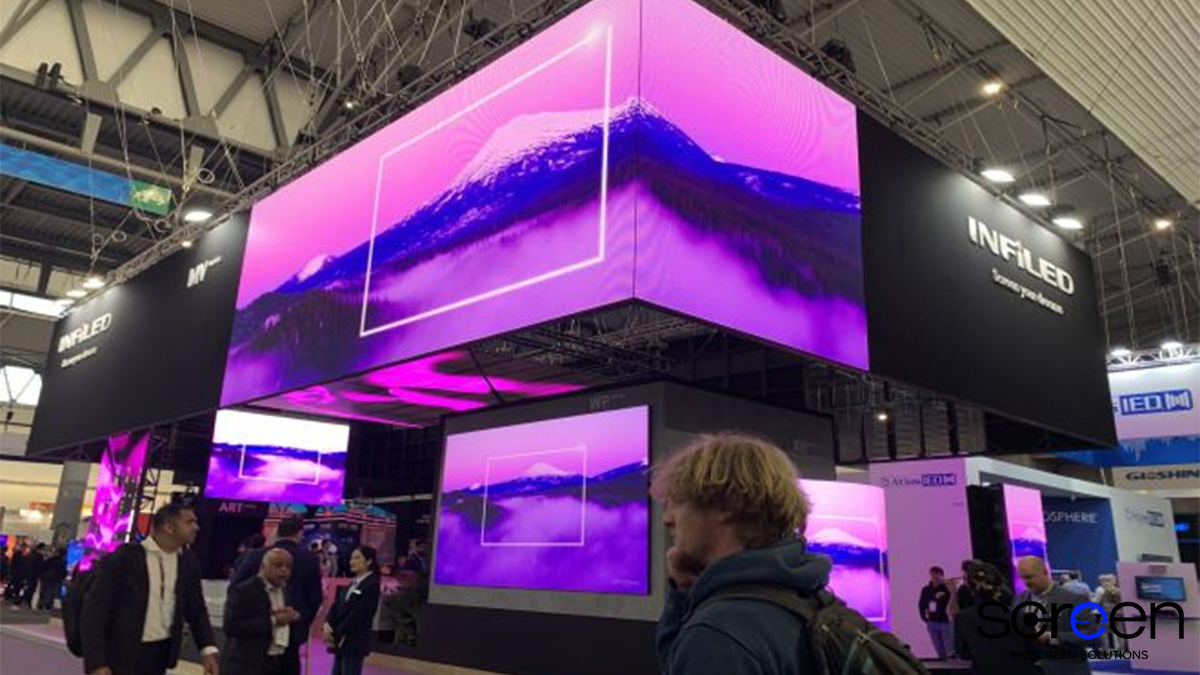
Installation and Maintenance
Understanding the differences in installation and maintenance requirements between indoor and outdoor LED displays is essential for brands seeking peak performance.
Indoor displays typically require straightforward installation techniques, often utilizing wall mounts or mobile stands. In contrast, outdoor displays demand more complex installation methods, including weatherproofing and secure mounting systems to withstand environmental factors.
Maintenance schedules also vary considerably; indoor displays require less frequent upkeep, focusing primarily on cleaning and software updates. Meanwhile, outdoor displays necessitate regular inspections for damage caused by weather, pests, or pollution.
Content Creation for LED Displays
As brands increasingly leverage LED displays to captivate audiences, the significance of effective content creation cannot be overstated. A well-defined content strategy is essential for maximizing the impact of LED displays, ensuring that messages resonate with viewers.
Creative visuals play a vital role in this process, drawing attention and fostering engagement. Brands should prioritize high-quality graphics, dynamic animations, and thoughtful narratives that align with their identity and objectives.
Installation and Maintenance Considerations
Effective installation and maintenance of LED displays hinge on a thorough site assessment and consistent upkeep practices.
By evaluating the installation environment, brands can guarantee ideal visibility and performance, ultimately enhancing their message delivery.
Routine maintenance not only prolongs the lifespan of the displays but also safeguards the investment against potential malfunctions.
Proper Site Assessment
What factors contribute to a successful LED display installation? A thorough site evaluation and location analysis are essential. Evaluating the physical environment guarantees the display is ideally positioned for visibility and engagement.
Factors such as foot traffic, line-of-sight, and surrounding lighting conditions must be meticulously assessed. Additionally, understanding the audience demographics can greatly influence placement decisions, enhancing brand visibility and impact.
Safety considerations, including structural integrity and electrical access, also play a vital role in successful installation. By prioritizing these elements, brands can assure their LED displays not only function effectively but also resonate with their desired audience.
An informed approach to site assessment lays the foundation for a powerful visual communication strategy, fostering brand growth and audience connection.
Routine Maintenance Practices
Routine maintenance practices are essential for guaranteeing the longevity and optimal performance of LED displays. Implementing regular routine inspections can considerably reduce downtime and extend the lifespan of the technology.
Brands should prioritize preventative care measures, such as cleaning the display surfaces and checking connections, to prevent minor issues from escalating into costly repairs. Additionally, calibrating brightness and color settings consistently guarantees optimal viewing experiences.
Developing a maintenance schedule that includes professional assessments will not only enhance performance but also empower brands to uphold their image. Ultimately, investing in these practices allows businesses to operate with greater freedom and confidence, knowing their LED displays will consistently deliver vibrant and engaging content.
Measuring ROI on LED Display Investments
As businesses increasingly invest in LED display technology, understanding the return on investment (ROI) becomes essential for justifying these expenditures.
Effective ROI measurement involves analyzing metrics such as measuring engagement and tracking conversions. By monitoring audience interactions with LED displays, brands can assess how effectively these installations capture attention and drive consumer behavior.
Additionally, tracking conversions helps quantify the direct financial impact of the displays, revealing whether they enhance sales or brand visibility. Utilizing analytical tools to gather data on viewer responses creates a clearer picture of ROI.
Ultimately, a well-rounded approach to measuring ROI empowers brands to make informed decisions, ensuring that their investment in LED technology aligns with their growth objectives and enhances their market presence.
Future Trends in LED Display Solutions
While the current landscape of LED display technology is already transformative, emerging trends promise to additionally revolutionize the way brands engage with their audiences.
Future advancements will likely incorporate interactive displays that create immersive experiences, inviting consumers to participate rather than merely observe. These displays, powered by emerging technologies such as augmented reality and artificial intelligence, will enable brands to deliver personalized content that resonates on a deeper level.
Furthermore, as sustainability becomes increasingly important, energy-efficient LED solutions will emerge, allowing brands to demonstrate their commitment to the environment.
Conclusion
To summarize, embracing LED display solutions is a strategic move for growing brands aiming to enhance visibility and consumer engagement. By understanding the technology, selecting the appropriate display type, and investing in quality content, brands can create impactful experiences that resonate with audiences. The emphasis on sustainability and energy efficiency further bolsters brand reputation. As the landscape of digital advertising evolves, integrating innovative LED displays will not only drive engagement but also guarantee a significant return on investment.